
Before You Buy Meat Online
Know what you're choosing.
You should know where your meat comes from. We do.
Where it was raised. How it was raised. Who processed it (us). How it was aged. These aren't small details. They're choices that shape the meat you bring home. We think you deserve to know what those choices are.
Four questions worth asking about your meat.
Where was it raised?
How was it raised?
Who handled your meat?
How was it aged?
Here's how Porter Road answers them.
Question 01
Where was it raised?
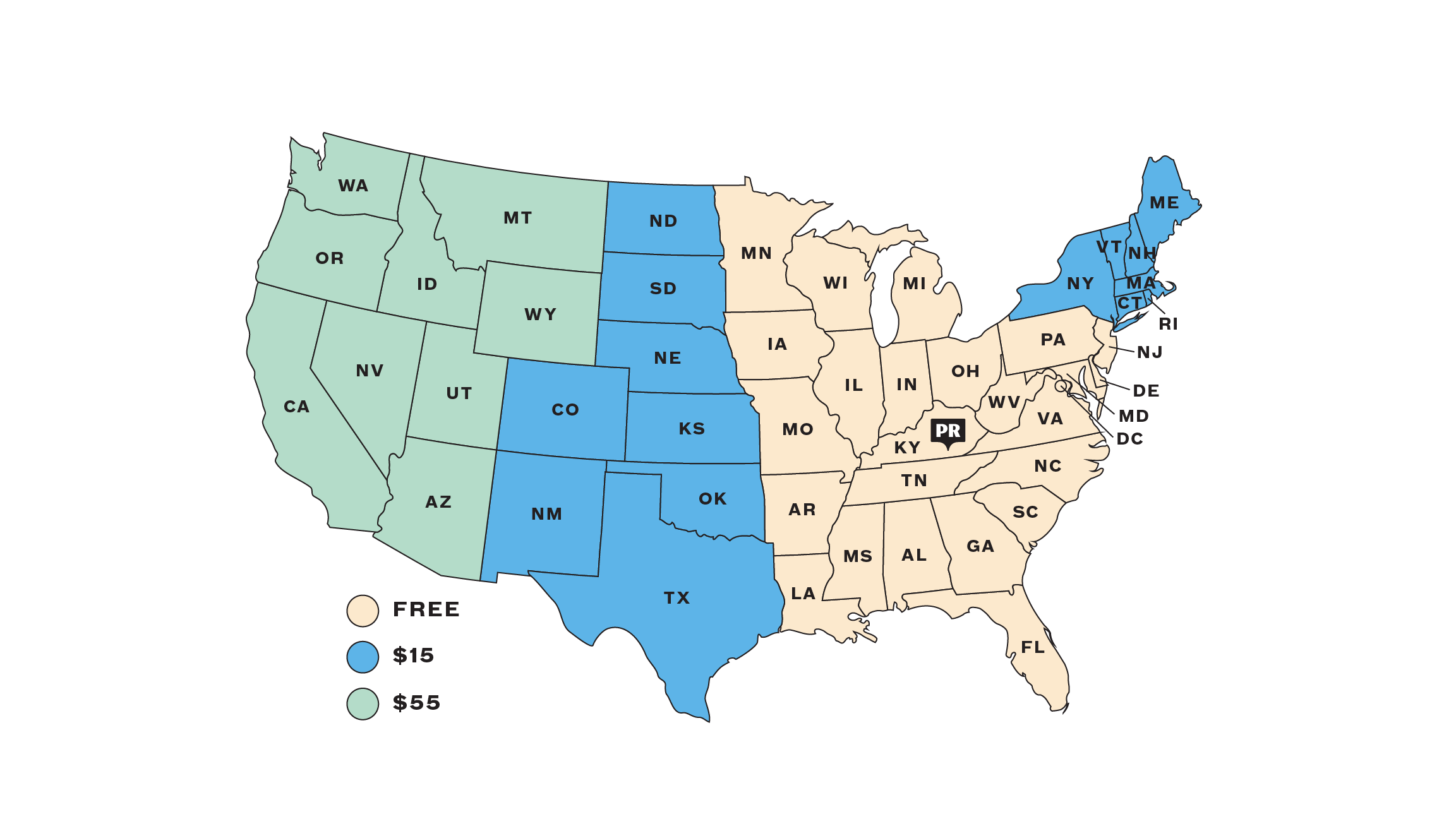
On small American farms.
Porter Road works directly with small, family-owned and operated farms in the United States. We know our farmers. We visit their farms. And we're committed to creating demand for meat raised here at home.
Porter Road
Meat sourced from small, family-owned American farms.
ButcherBox
ButcherBox states that it sources domestically and internationally, and that its 100% grass-fed beef comes from Australia. Source
Same category. Different sourcing choices.

Question 02
How was it raised?

On pasture. And kept there.
Our cattle live outside on pasture throughout their lives. They graze and can receive supplemental feed while remaining on pasture. What we don't do is move them to a feedlot for finishing.
Snake River Farms says its cattle begin by grazing on ranches before moving to feeding facilities. SRF states that its American Wagyu receives more than 450 days of grain finishing. Source
Different ways to raise cattle. Now you know which you're choosing.
Question 03
Who handled your meat?
We did.
We operate our own processing and butchery facility in Kentucky. Our team oversees the process and skilled Porter Road butchers hand-cut the meat. That means we're not simply selecting meat someone else produced and shipping it to you. We're part of making it.

Question 04
How was it aged?

Dry aged.
Most beef is wet-aged inside vacuum-sealed plastic. We dry-age ours in a controlled environment where moisture naturally leaves the meat and enzymes have time to tenderize it.
Wet Aged
Ages sealed in plastic. Moisture remains with the beef.
Porter Road Dry Aged
Ages with circulating air. Moisture leaves the beef. Flavor becomes more concentrated.
Because we'd rather concentrate beef flavor than retained moisture.
Know What You're Choosing
Same aisle. Very different meat.
| Porter Road | ButcherBox | Snake River Farms | |
|---|---|---|---|
| US-only sourcing | Yes | No. Sources from US, Australia, Norway, Canada. Source | Yes |
| Small American farm sourcing | Yes. Small, family-owned US farms. | States "independent ranchers, family farmers". Source | States "partner family ranches" in Pacific NW. Source |
| Pasture raising | Yes. Pasture throughout lives. | Yes. Certified pasture-raised, never feedlot. Source | Yes. Initially, before feeding facility. Source |
| Feed Lot Finishing | No | No. Never confined to feedlot. Source | Yes. Feeding facility, 450+ days grain finishing for Wagyu. Source |
| Processing capability | Yes. Own facility in Kentucky. | Yes. Own facilities in WA and ID. Source | |
| Hand butchery | Yes. Skilled butchers hand-cut. | Hand-trimmed (stated). Source | |
| Aging method | Dry-aged, 14 days. |
Every competitor claim above links directly to its source. Blank cells indicate information we could not verify from the company's own website.
View Sources
- ButcherBox sourcing: support.butcherbox.com - Where does ButcherBox meat come from
- ButcherBox beef FAQ: support.butcherbox.com - Can you tell me about your beef
- ButcherBox sourcing page: butcherbox.com/pages/sourcing
- Snake River Farms "Ranch to Table": snakeriverfarms.com - From Ranch to Table
- Snake River Farms American Wagyu: snakeriverfarms.com - American Wagyu Beef
Your meat. Your choice.
We're proud of the choices we've made. Small American farms. Pasture-raised animals. Our own facility. Dry-aged beef. Skilled butchers. Now that you know the difference, you can decide what matters to you.